
Learning and Leading: AGC’s Work on Mercury-Free ASGM at COP-6
AGC showcases its leadership at COP‑6, sharing field-proven solutions and partnerships that drive mercury-free ASGM
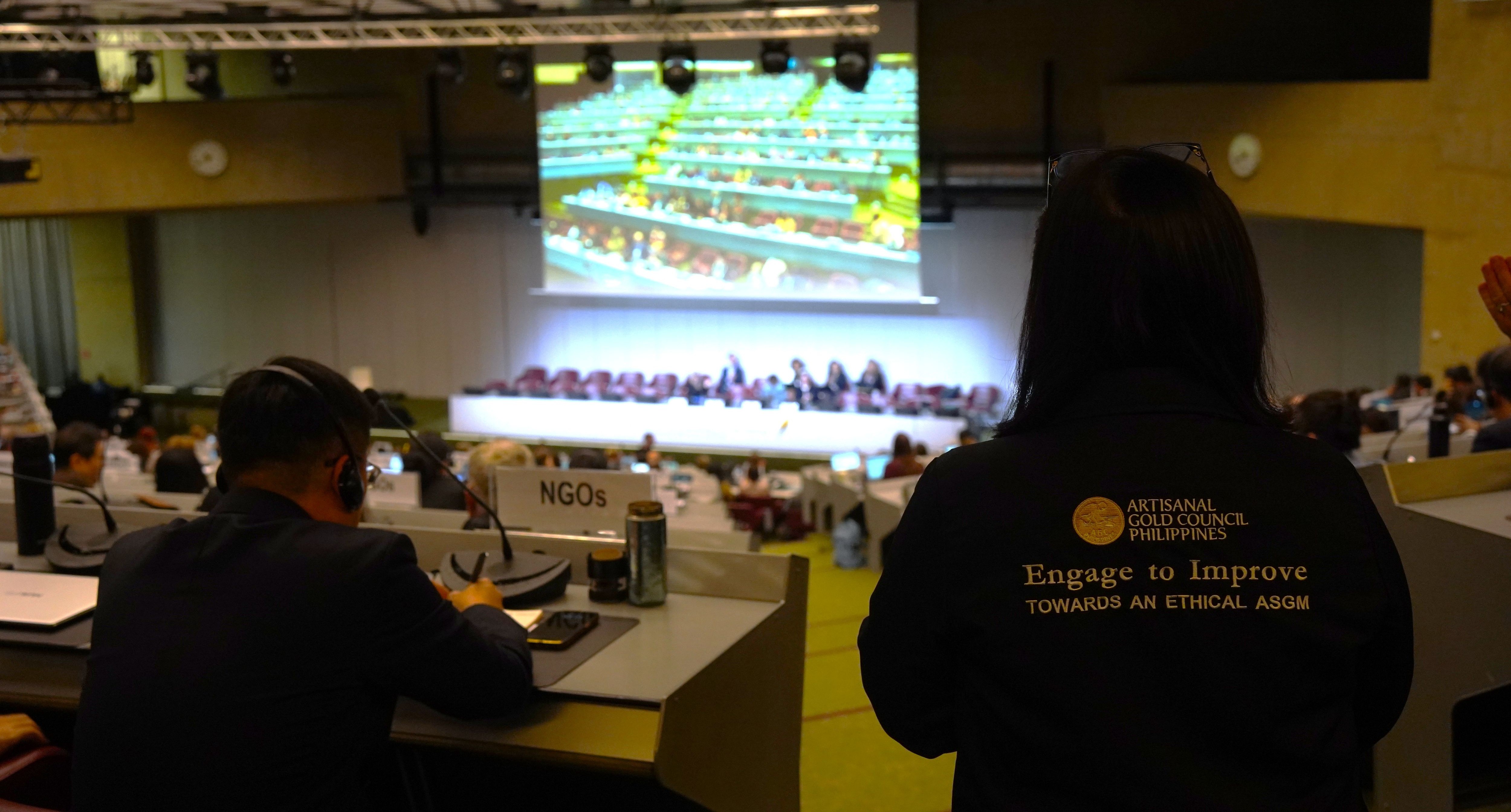
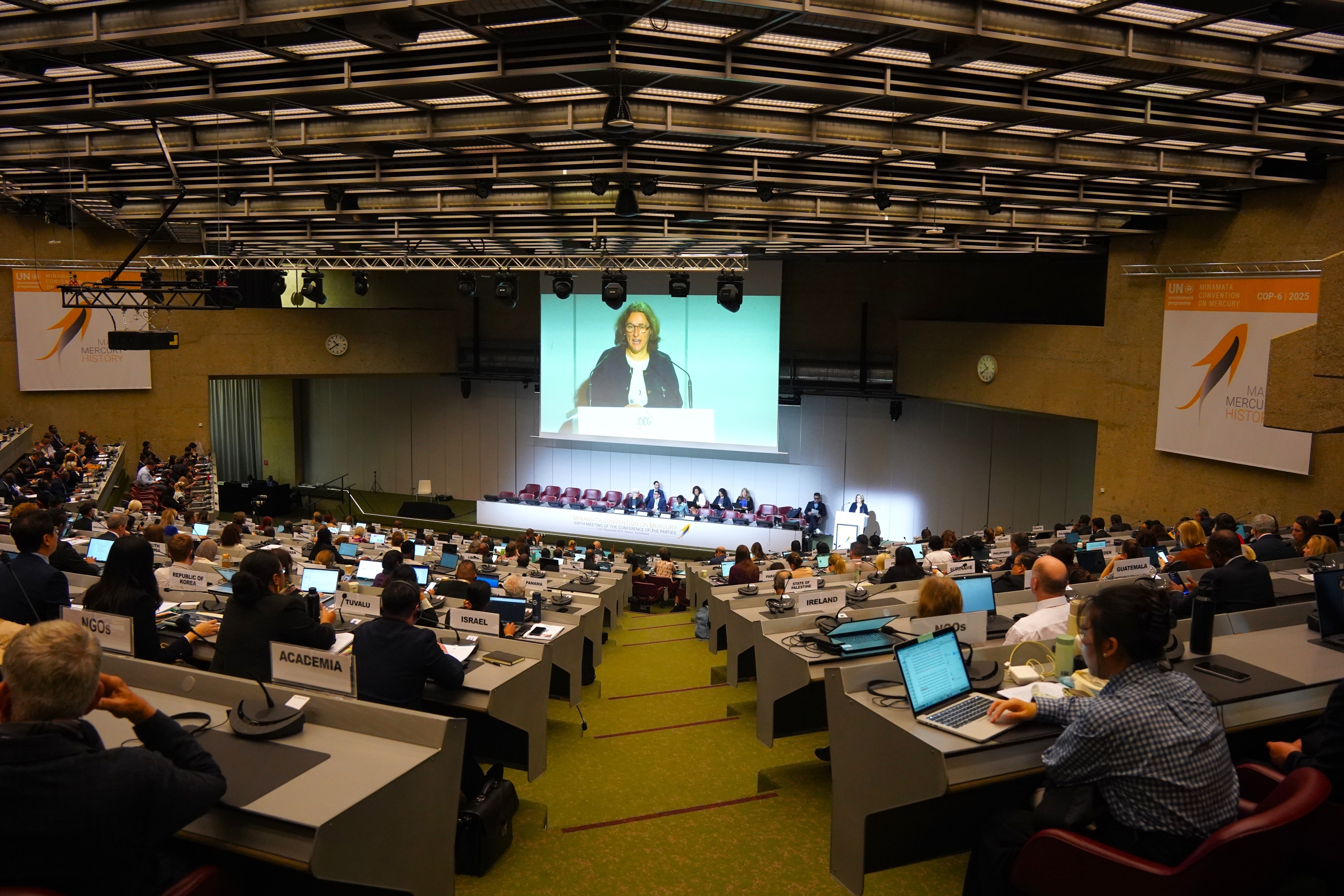
Geneva, Switzerland – From 3–7 November 2025, the international community convened in Geneva for the Sixth Meeting of the Conference of the Parties (COP‑6) to the Minamata Convention on Mercury, a global treaty designed to protect human health and the environment from mercury pollution. Mercury, a potent neurotoxin that accumulates in food chains, poses serious health risks. While mercury emissions come from multiple sectors, artisanal and small-scale gold mining (ASGM) is the single largest contributor, responsible for approximately 37% of global emissions. This makes the sector a critical focus for urgent action. At COP‑6, the issue of mercury in ASGM was a central topic, highlighting the need for community-driven solutions, evidence-based interventions, and global partnerships to achieve a mercury-free future.
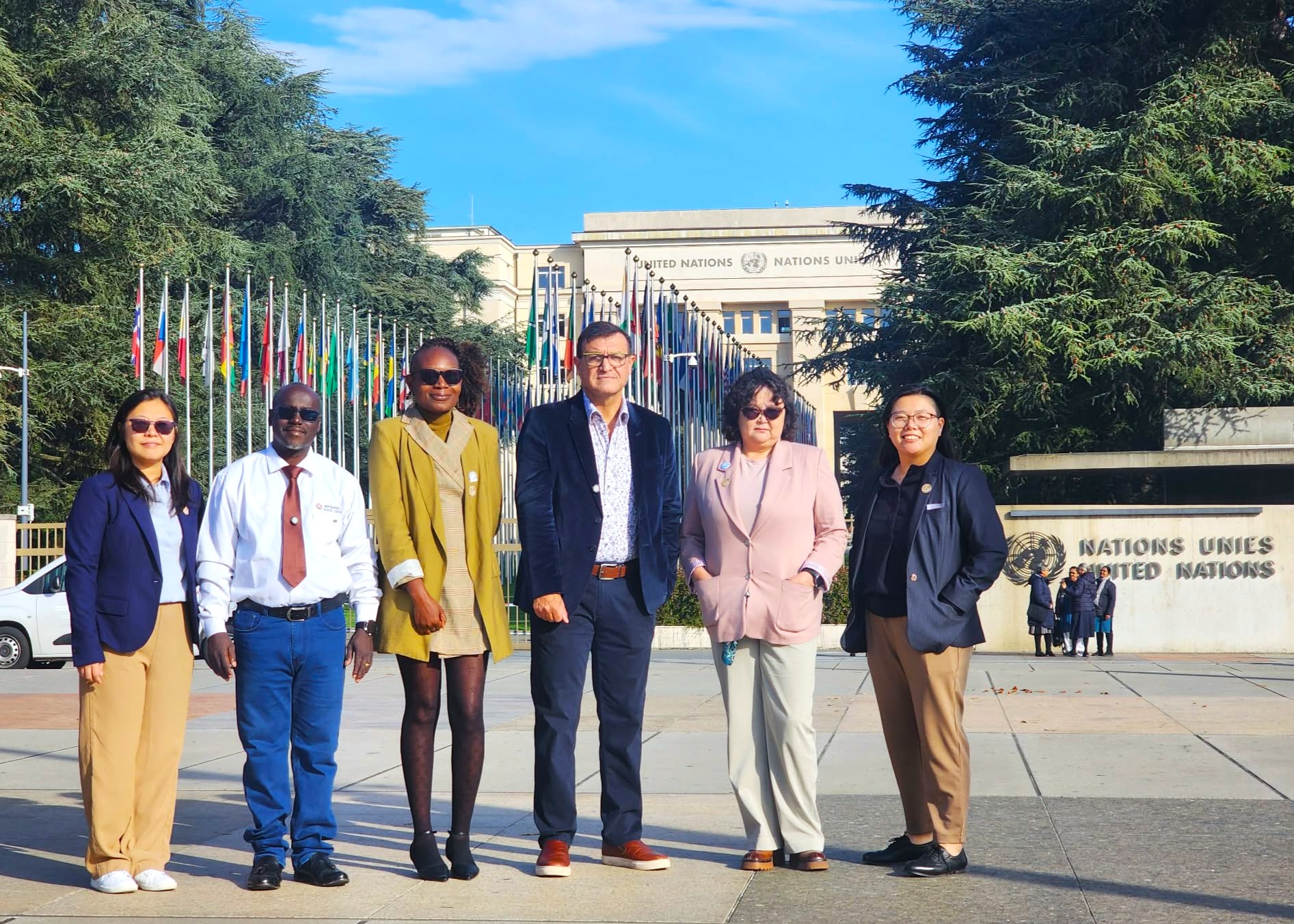
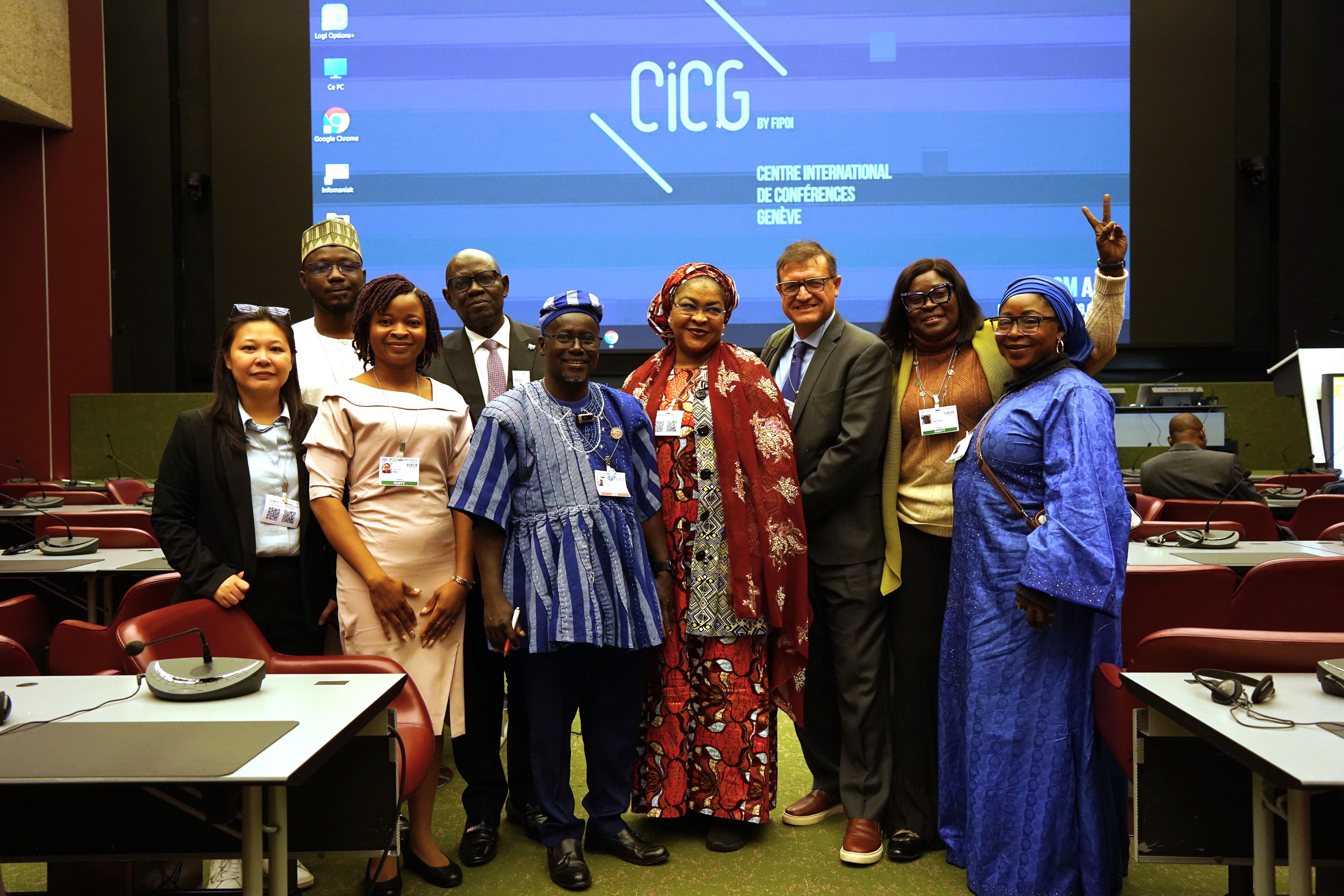
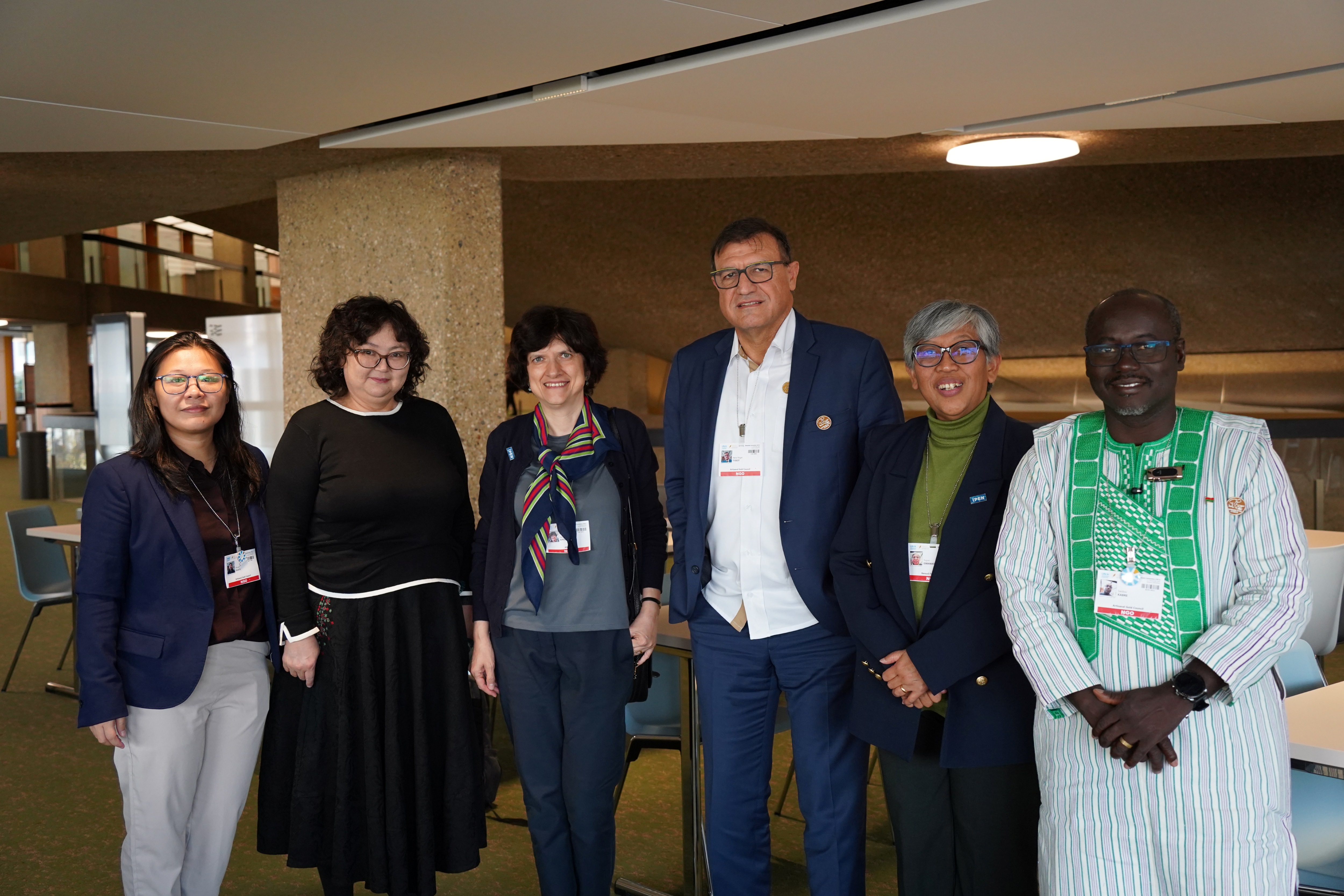
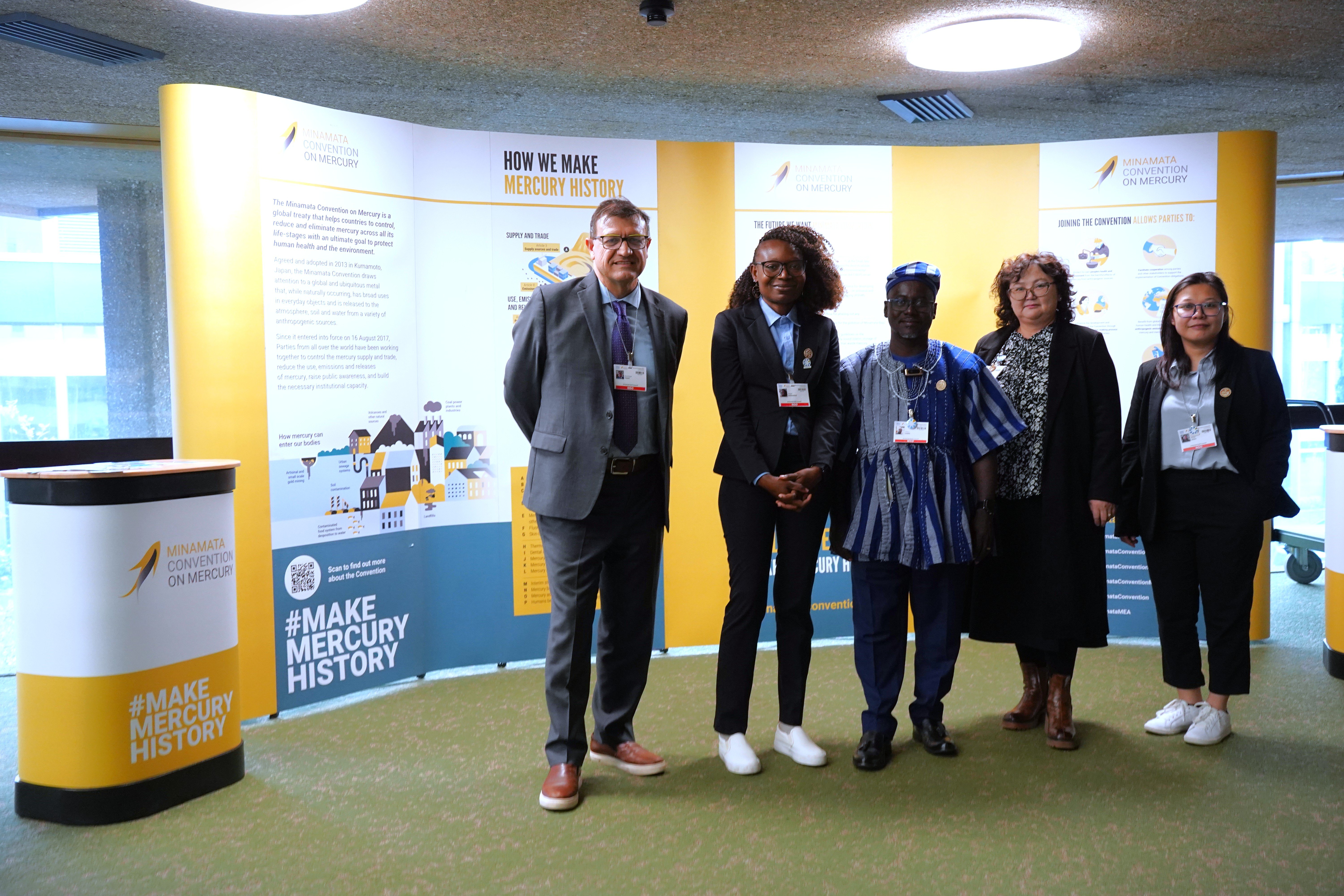
The Artisanal Gold Council (AGC), a global nonprofit organization advancing responsible and mercury-free ASGM, actively participated in the event. The delegation included Roger Tissot, Executive Director; Project Managers Abigail Mwailenge (Zambia), Saidou Kabre (Burkina Faso), Abigail Ocate (Philippines), Khishgee Dondov (Mongolia); and Communications Director Dawn Po Quimque. For years, AGC has partnered with miners, communities, development organizations, and governments to implement solutions that reduce mercury use while improving livelihoods and protecting the environment.
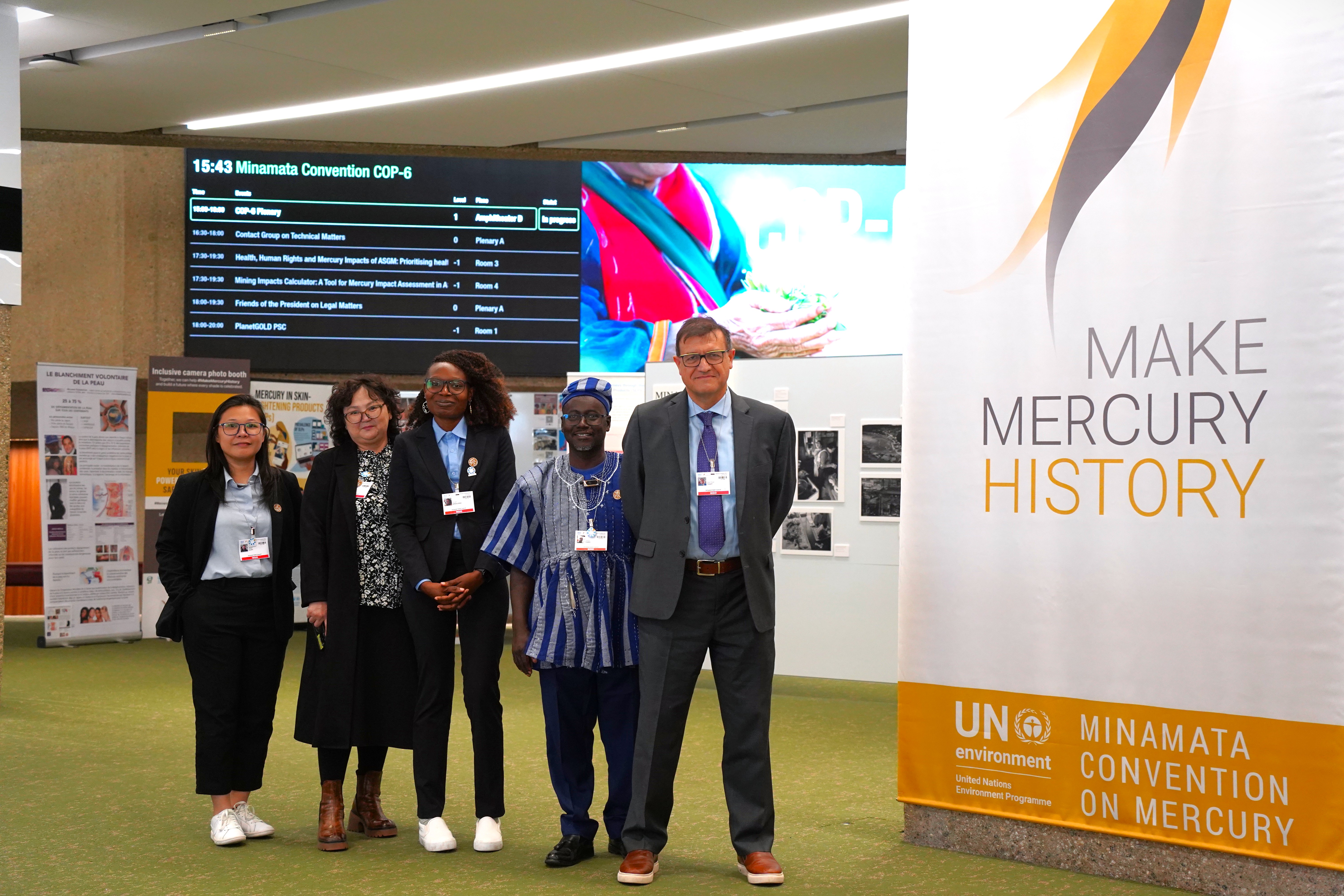
"COP‑6 acknowledges our historic work and allows us to share our expertise, learn from others, and enhance collaboration with governments and communities worldwide," Tissot said, highlighting the value of AGC’s presence at the global forum.
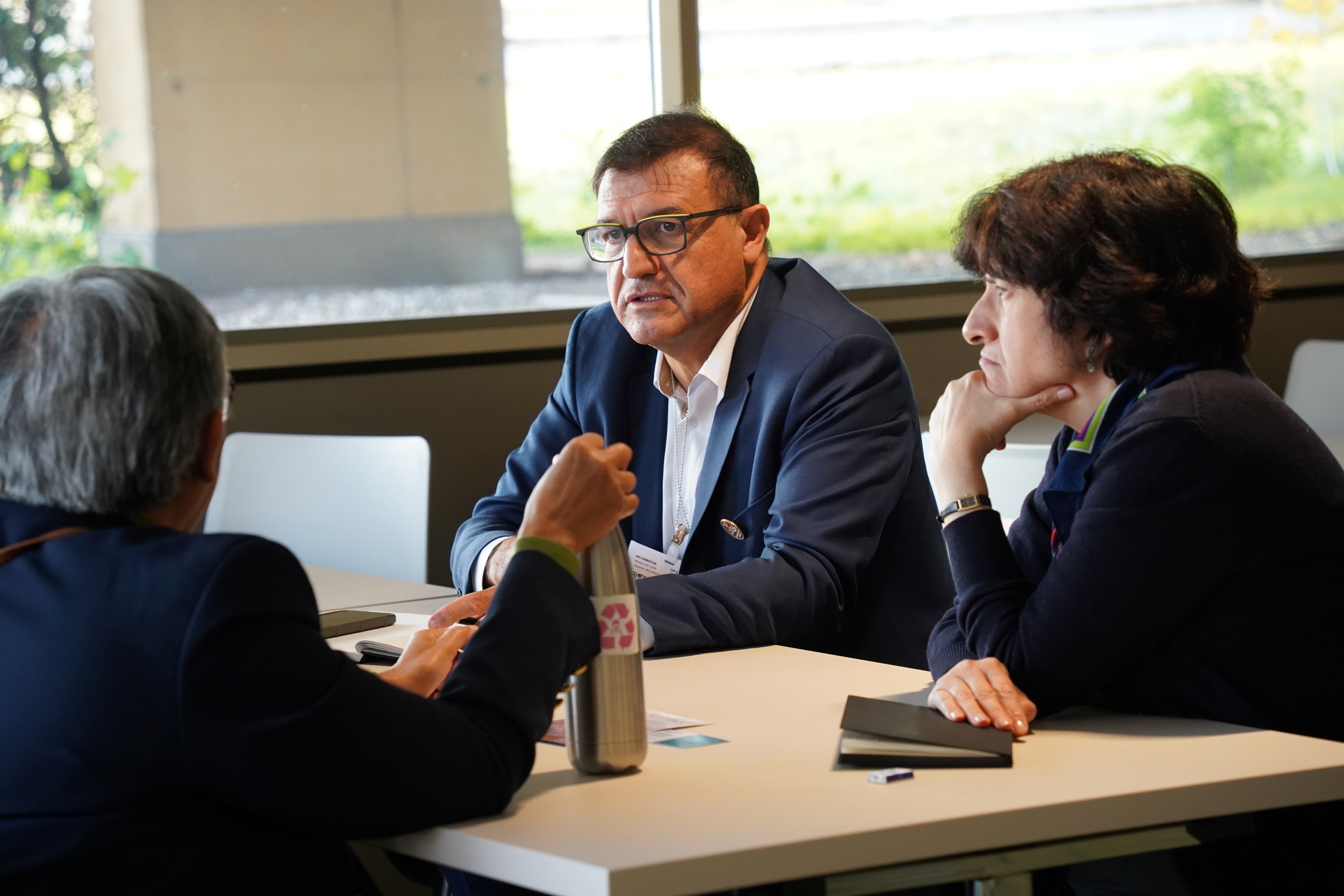
COP‑6 Outcomes: 22 Decisions for a Mercury-Free Future
COP‑6 concluded with 22 formal decisions, including commitments to phase out mercury-containing dental amalgam by 2034, address mercury in cosmetics, improve mercury waste management, and strengthen governance in ASGM supply chains. Importantly, Indigenous Peoples and local communities were included in decision-making processes, reinforcing the shared responsibility for a mercury-free future.
%20(2).jpg)
For AGC, the conference was also an opportunity to strengthen partnerships, share field experiences, and explore new collaborations.
"COP‑6 is a space to align with partners, learn from other countries, and identify collaboration opportunities. We maximized our time here to explore ways to strengthen partnerships and support mercury-free gold production worldwide," Po Quimque noted.
planetGOLD Programme at COP-6: Demonstrating Field Impact
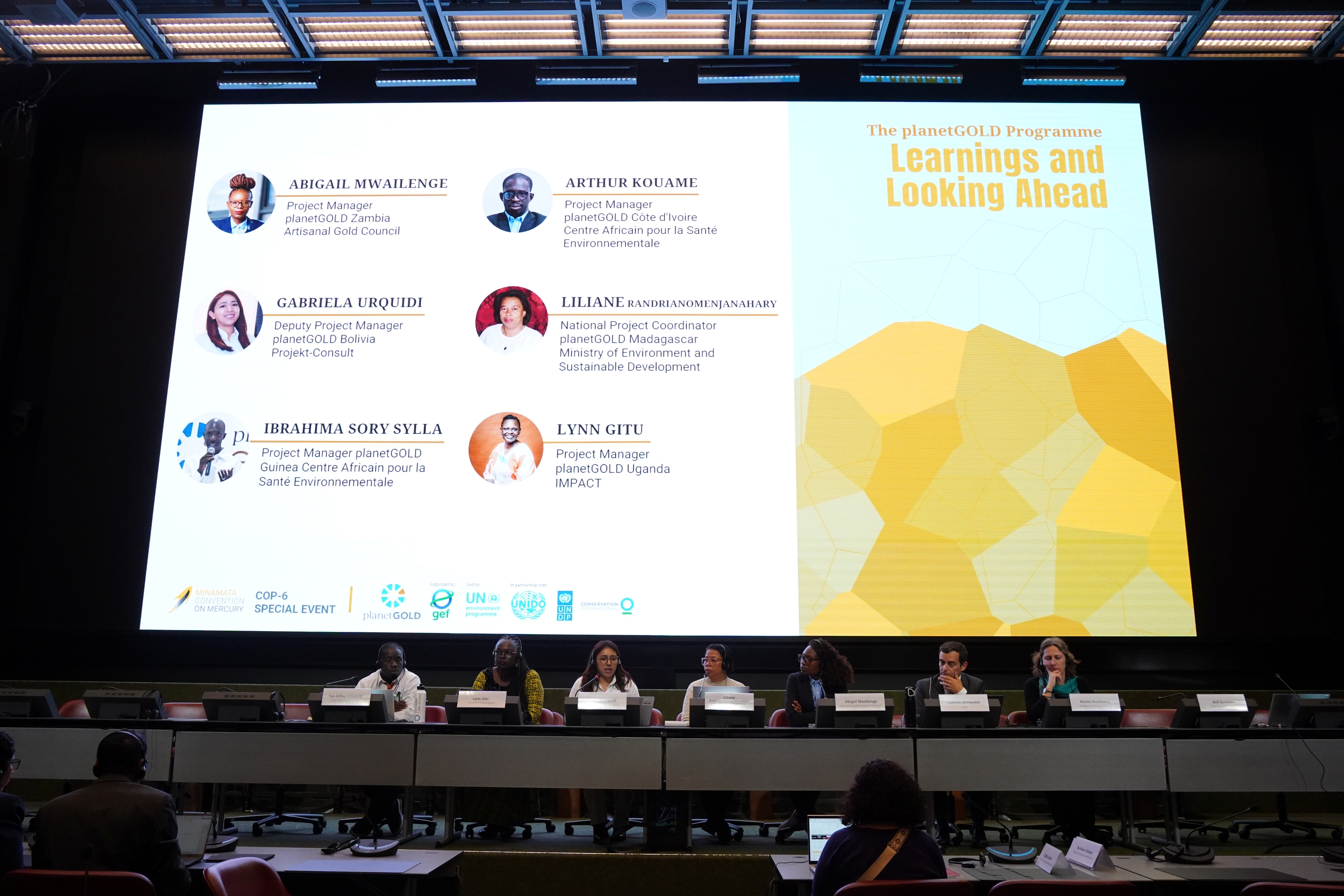
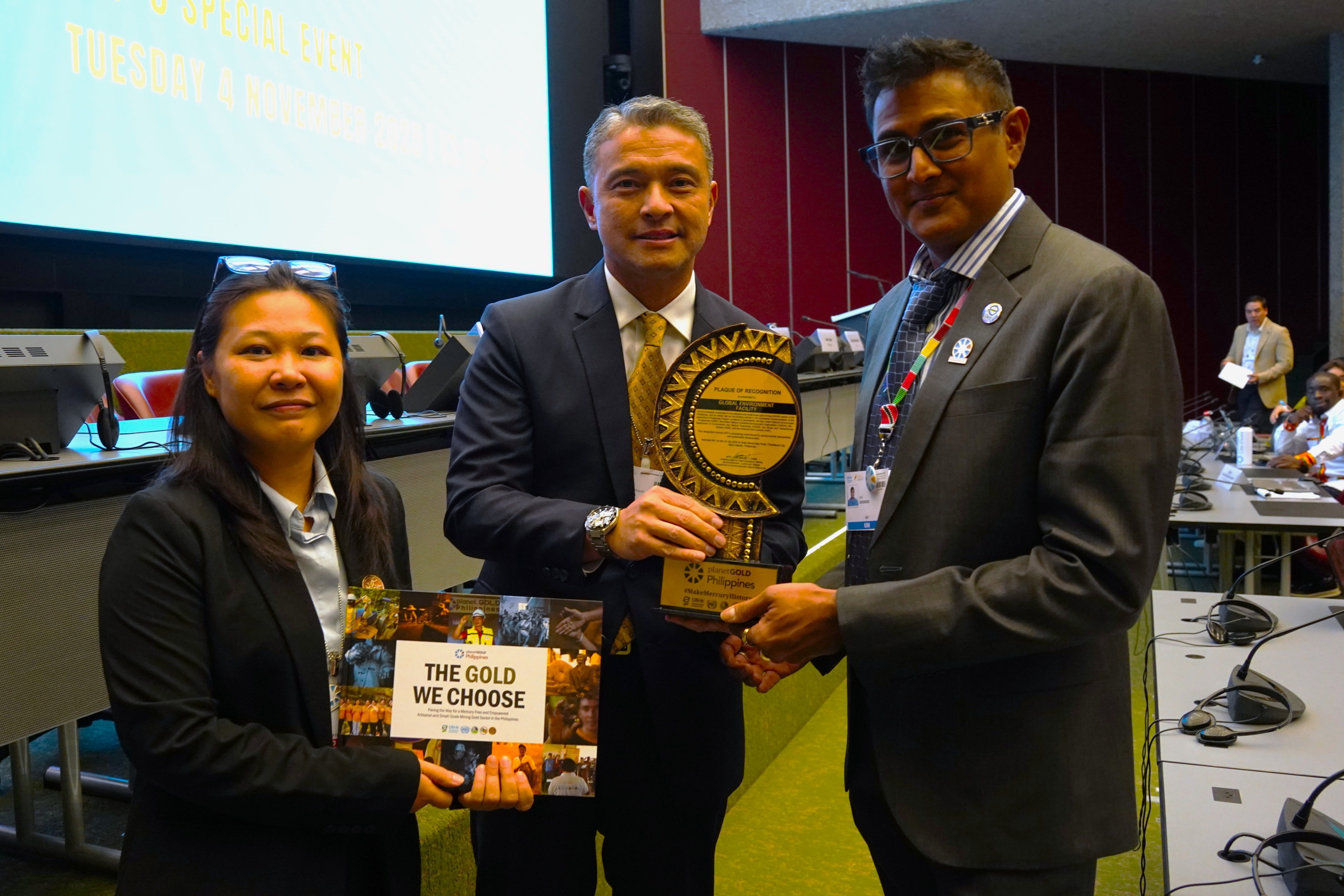
On 4 November, the planetGOLD Programme, funded by the Global Environment Facility (GEF), hosted a special session at the Sixth Meeting of the Conference of the Parties (COP-6) to the Minamata Convention on Mercury in Geneva, Switzerland. Titled “Learning and Looking Ahead,” the session highlighted achievements in mercury-free artisanal and small-scale gold mining (ASGM), focusing on technology transfer, formalization, and improving miners’ access to finance and markets.
Representatives from AGC countries presented lessons learned and shared experiences from the field.
%20(1).jpg)
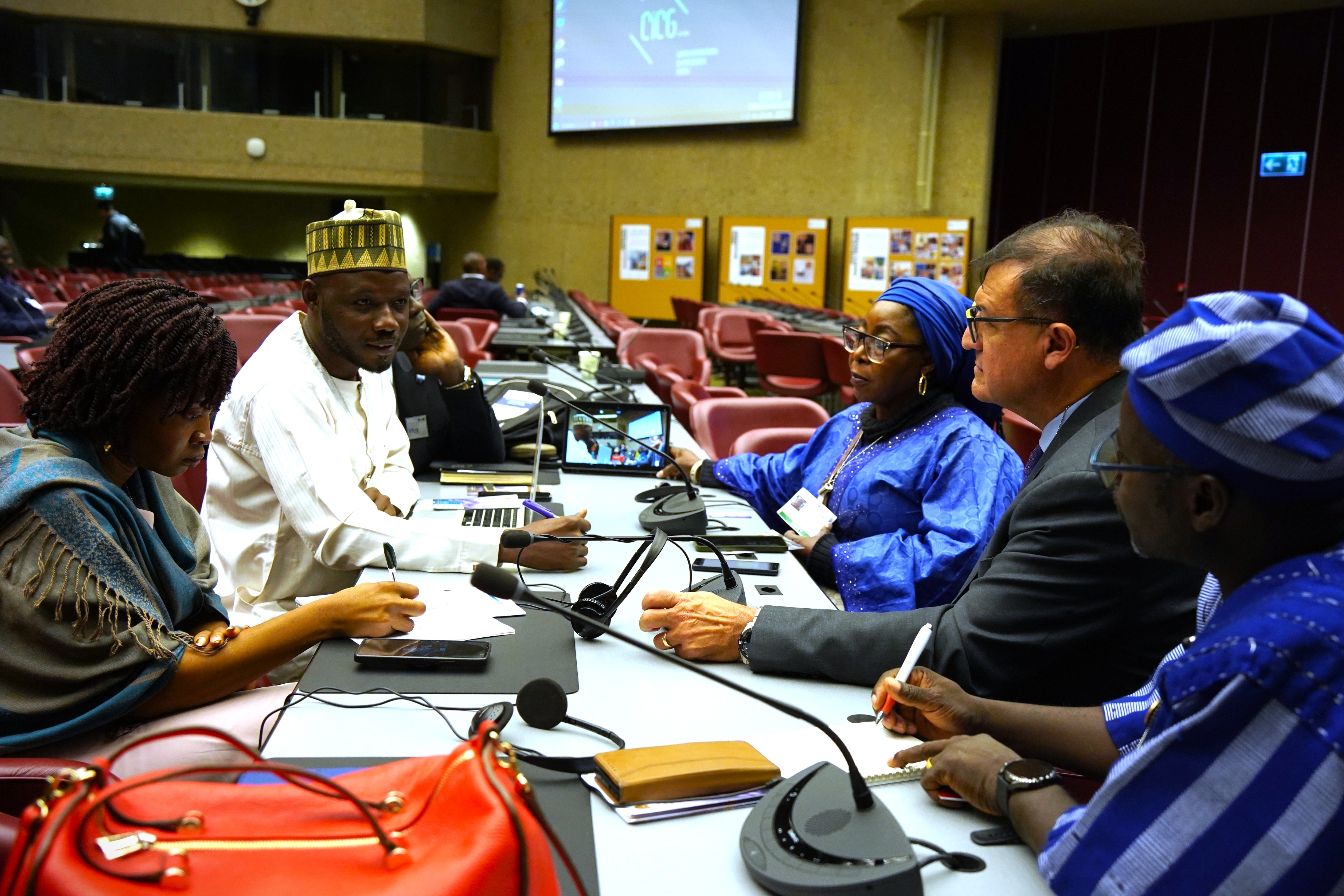
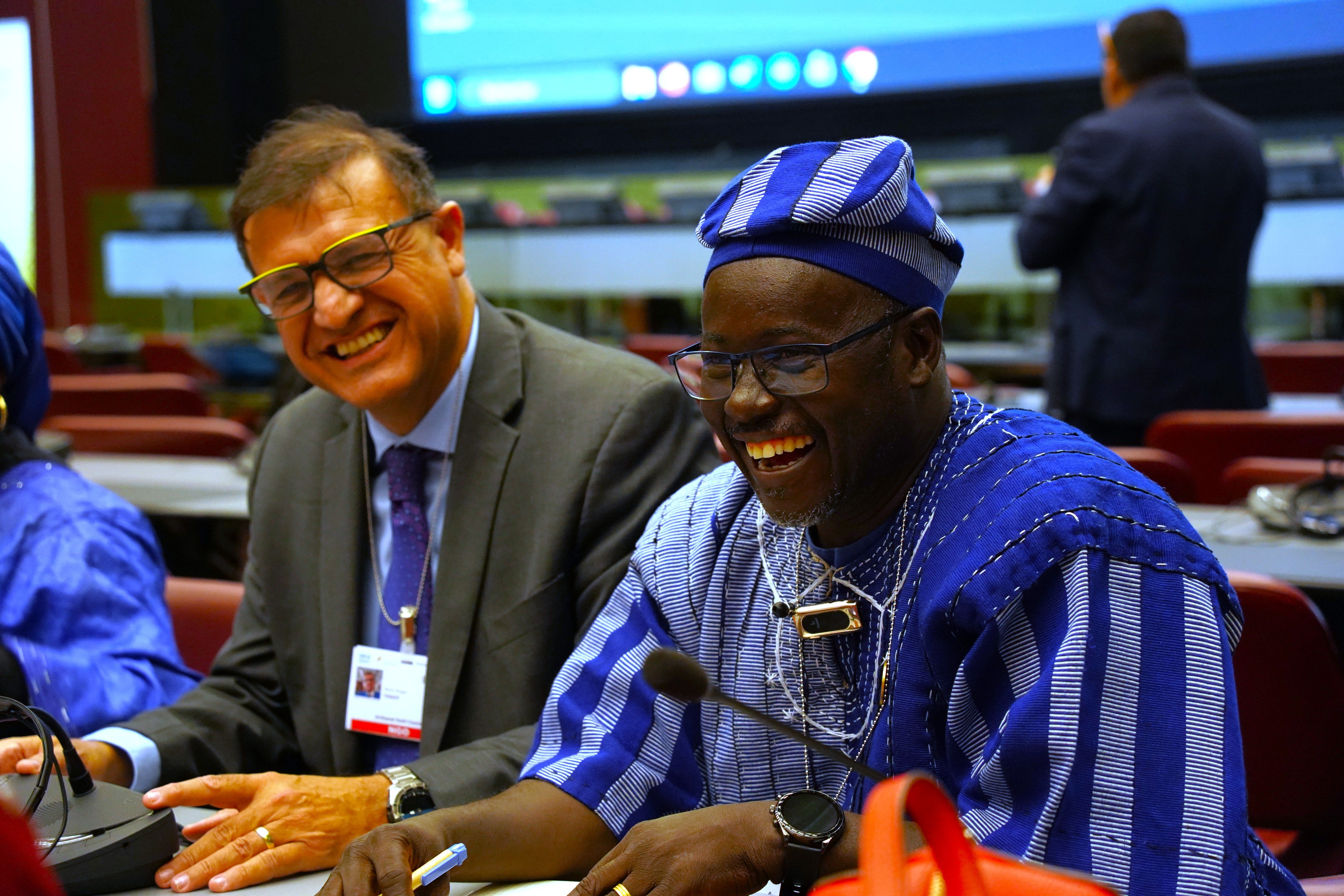
In Burkina Faso, Project Manager Saidou Kabre, together with Barthelemy Bationo from the Ministry of Environment, discussed their country’s success in creating financial inclusion mechanisms for miners. “Access to finance is key for miners—not only to grow their livelihoods but also to transition safely to mercury-free mining,” Kabre said. The project has reduced mercury use by 256.8 kilograms across sites and trained 169 learners on mercury-free technologies, 30% of whom were women. Kabre highlighted the challenge of bringing financial institutions on board: “Convincing banks to participate required showing them the sector’s potential. With the right risk-sharing mechanism, we secured Coris Bank’s partnership to support miners’ access to credit. This mechanism has proven that financial inclusion is critical—when miners can access finance, they are more willing and able to adopt mercury-free processing technologies.”
.jpg)
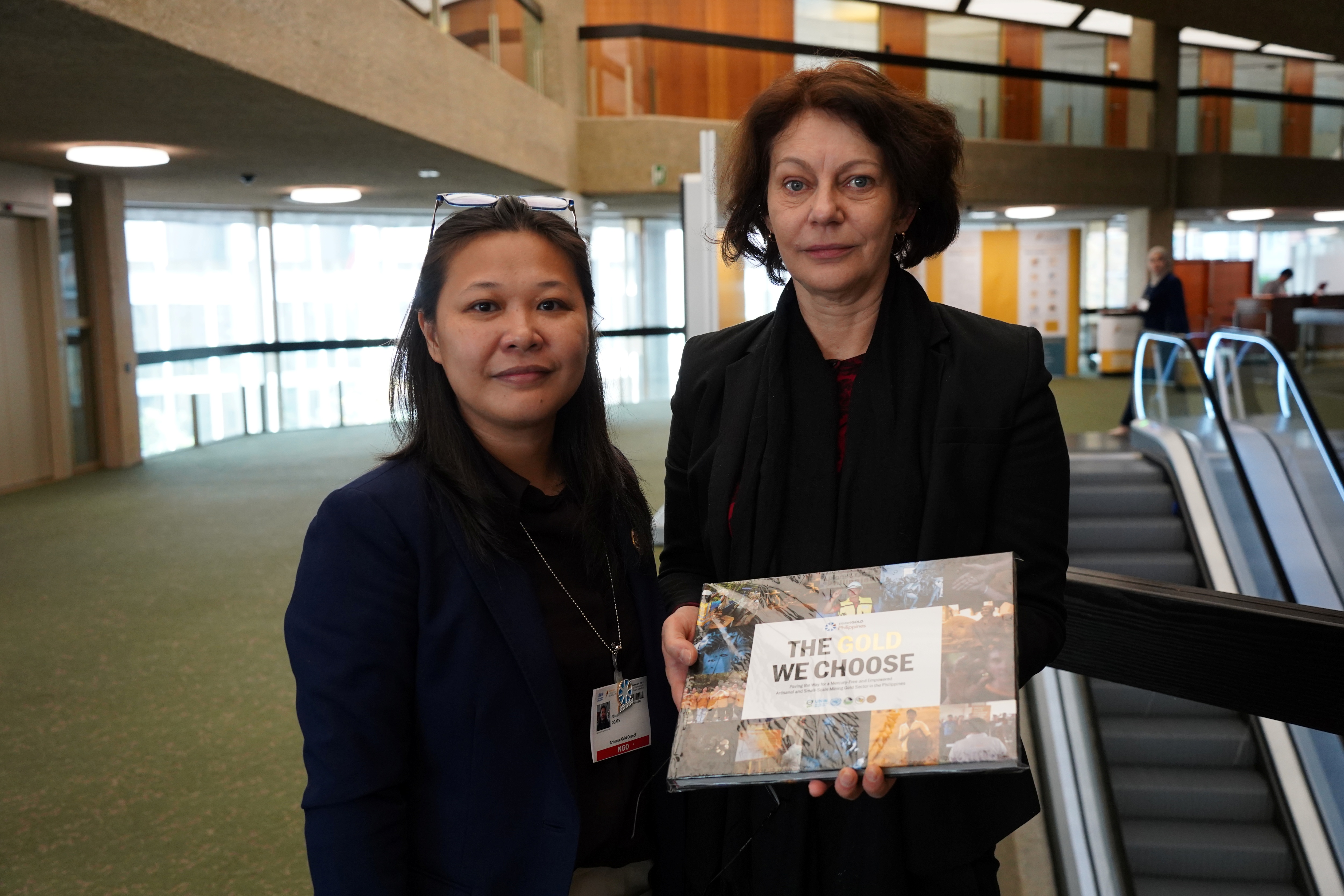
In the Philippines, Project Manager Abigail Ocate, along with Undersecretary Analiza Rebuelta-Teh from the Department of Environment and Natural Resources DENR, highlighted the practical achievements of planetGOLD Philippines in advancing mercury-free artisanal gold mining. In Paracale, cyanidation-based systems were technically feasible and accepted by miners, while in Sagada, a gravity-based plant respected indigenous communities’ agreements against chemical use. “Transformation in the ASGM sector is possible when we work with miners, not just for them. Engaging miners in designing mercury-free technologies ensures solutions that balance productivity, safety, and sustainability,” Ocate emphasized.
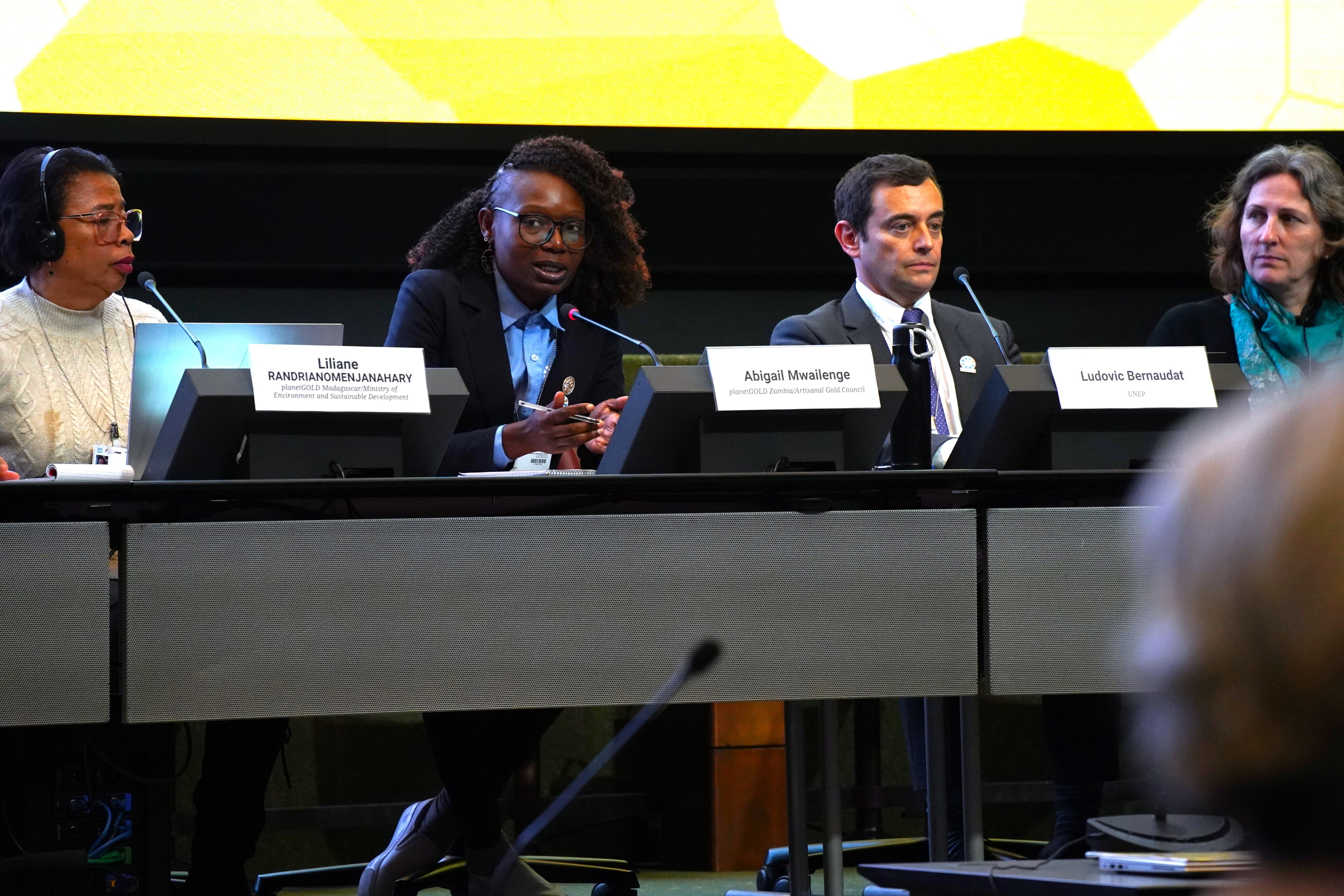
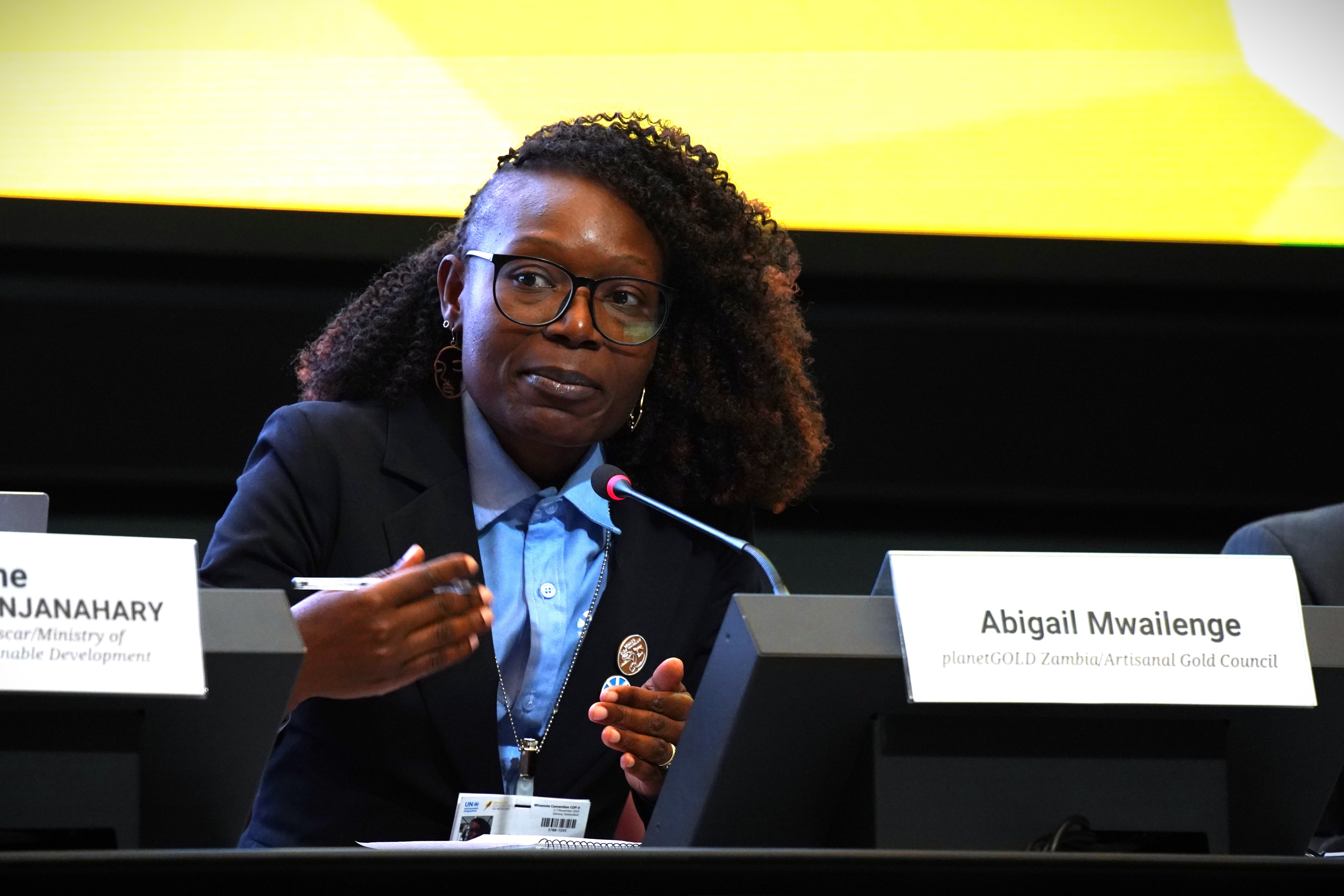
In Zambia, part of Phase 2 of the planetGOLD Programme, National Project Manager Abigail Mwailenge shared how lessons from Phase 1 projects are guiding implementation. The project is using a jurisdictional approach, engaging local chiefs, village headmen, municipal councils, and regulatory authorities to formalize ASGM operations. Feasibility studies have informed equipment choices, site layouts, and ore recovery plans, while indoor shelters will protect processing systems from rain and ensure year-round operations. “COP6 gives us a global perspective on mercury reduction and allows us to bring lessons home to Zambia. Miners are eager to adopt alternatives, but they need guidance and access to the right technologies,” Mwailenge noted.
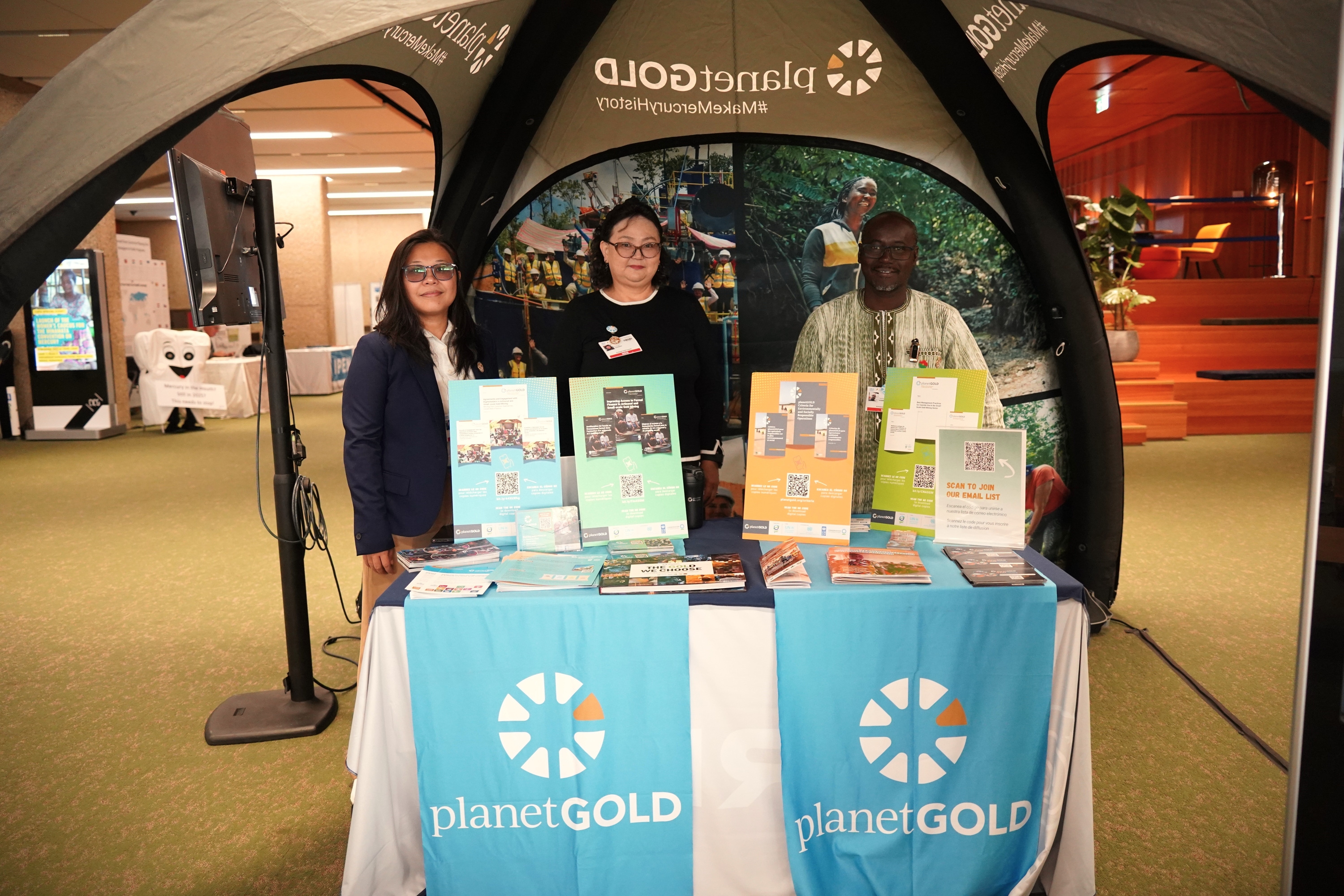
Though not part of the planetGOLD plenary session, AGC Project Manager Khishgee Dondov, for the recently completed planetGOLD Mongolia project, reflected on the project’s achievements in formalization, gold traceability, and knowledge-sharing: “AGC bridges the local community with the Minamata Convention. Our project’s knowledge is valuable globally, and capacity building in Mongolia shows how formalization, responsible practices, and traceability can be implemented even in different and challenging contexts.”
The event, moderated by Ludovic Bernaudat of UNEP, opened with remarks from Anil Sookdeo (GEF) and concluded with Monika Stankiewicz, Executive Secretary of the Minamata Convention on Mercury, emphasizing the collective commitment to a mercury-free future for artisanal and small-scale gold mining communities worldwide.
Global Collaboration and Challenges
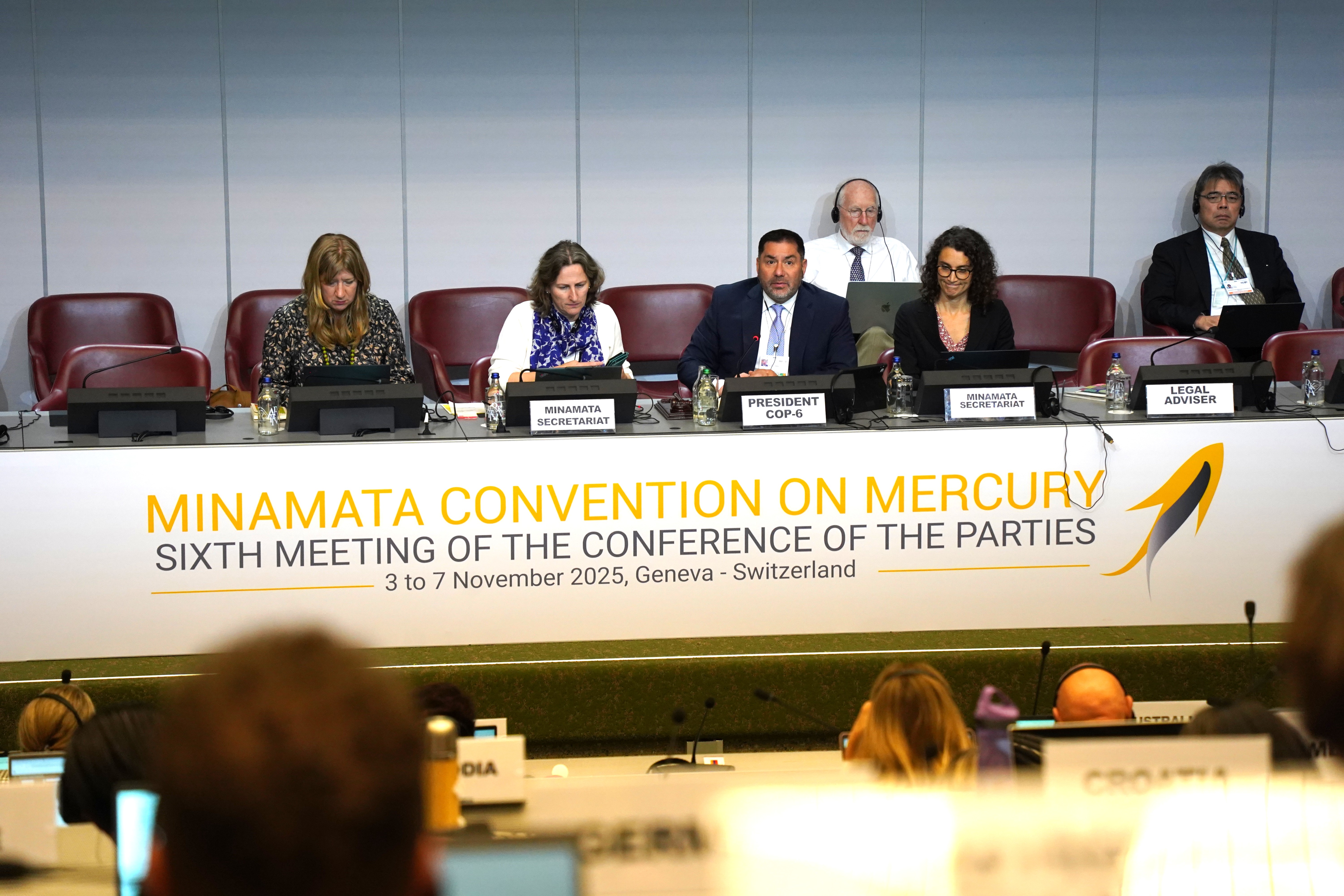
COP‑6 plenaries and side events tackled mercury in industrial processes, supply chains, waste management, and public health. AGC’s delegation emphasized community-centered, evidence-based solutions.
Mwailenge stressed the importance of structured cooperatives and inclusive engagement:
"Mercury use is embedded in some communities’ culture, but behavior change is possible when we work collaboratively with traditional leadership and stakeholders."
Kabre highlighted replication and scaling potential:
"We want ASGM to be formalized, developed, and responsible — an industry without mercury that empowers communities and supports sustainable development."
Ocate connected field experiences to policy impact:
"Policies and strategies developed at the global level must reflect the real conditions faced by small-scale miners. COP6 expanded our network and opened opportunities for future collaboration with organizations working toward mercury reduction and environmental protection."
She also emphasized the link to the Philippines’ National Action Plan on ASGM:
"COP6 is where countries assess how far we’ve come—what’s working, what isn’t, and which strategies need strengthening to meet our commitments. Discussions and agreements at COP6 will directly inform the National Action Plan we are currently developing in the Philippines."
Dondov highlighted Mongolia’s experience as a model for knowledge-sharing:
"Capacity building and reaching the community across a wide country are best practices that other countries can adopt to implement responsible ASGM practices."
Po Quimque emphasized the human side of the work:
"Every story we tell—from a miner learning a safer technique to a woman leading her association—shows that change is human-powered. Effective storytelling bridges the gap between global commitments and community realities."
Tissot reinforced this perspective:
"Our mission is not just about technology or policy—it’s about people. Supporting miners, strengthening communities, and showing that humane and mercury-free gold production is feasible are at the core of everything we do.".
Towards a Mercury-Free Future
COP‑6 reaffirmed that sustained partnerships, evidence-based solutions, and community engagement are essential to achieving mercury-free ASGM.
"Our dream is to see the ASGM sector run by local cooperatives, where communities capture the value of their work safely and responsibly and with dignity," Tissot said.
Through projects in Burkina Faso, Zambia, the Philippines, and Mongolia, AGC demonstrates that technology, finance, policy, and community-driven solutions together can transform artisanal gold mining into a safer, more formalized, and responsible industry.
AGC calls on governments, development partners, financial institutions, and the private sector to step up support for mercury-free ASGM. This includes investing in safer technologies, enabling inclusive access to finance, formalizing mining operations, and ensuring traceable, responsible gold supply chains. The future of artisanal gold mining depends on collaboration, evidence-based solutions, and empowering communities to lead change. Together, we can build a sector that is safe for people, protective of the environment, and sustainable for generations to come. ###
Currently, AGC is the executing agency of the GEF-funded planetGOLD Project in Zambia and leads the development of the National Action Plan on ASGM in the Philippines. It has also recently completed the first phase of planetGOLD projects in Mongolia, Burkina Faso, and the Philippines, demonstrating its continued global leadership in advancing socially and environmentally responsible, mercury-free artisanal gold mining.


Related Posts


